Human capital

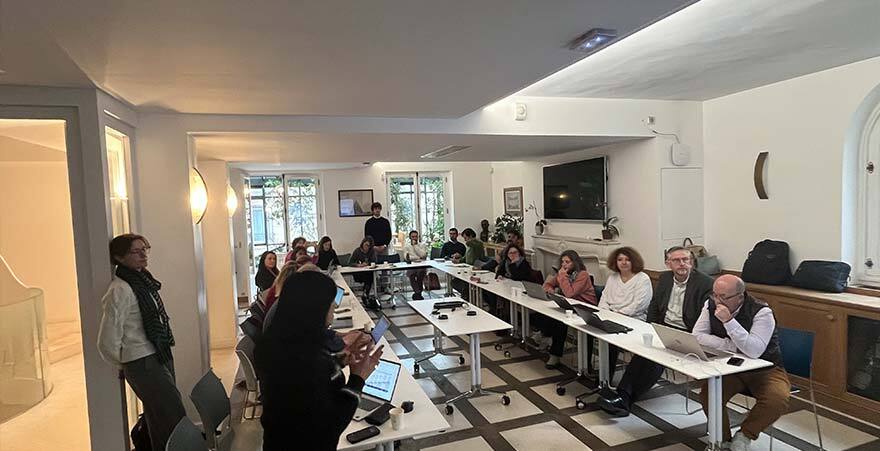
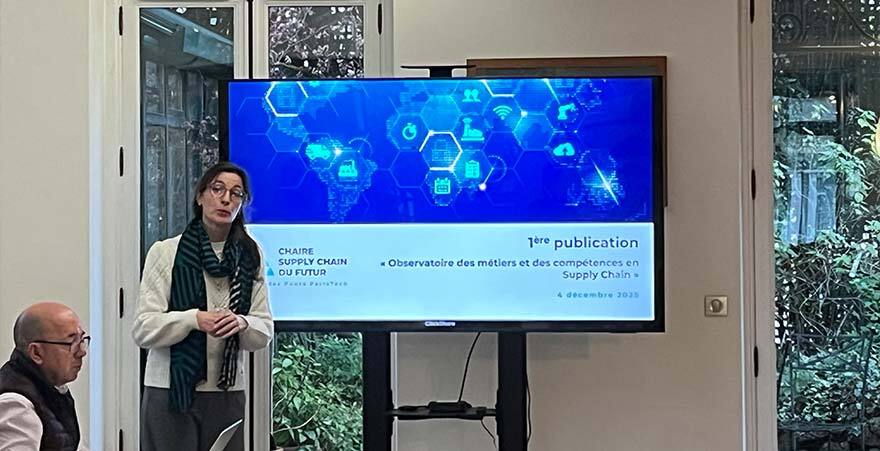
The Supply Chain Skills Observatory is the new production of the Chaire Supply Chain du Futur des Ponts, developed with the help of Iris' data teams at Argon&co, as a partner of the Chair. It offers a reference tool to understand the evolution of professions and skills at the heart of the ecological, digital and geopolitical transitions. Built with the Chair's industrial partners, this first 2025 edition offers an objective reading of the Supply Chain job market and skills expectations, by cross-referencing companies' HR repositories and several thousand offers published online.
A response to a strategic need
In a context of continuous transformation of operations, Supply Chain and HR departments need reliable points of reference to recruit, develop and retain talent. The Observatory provides an overview of the key skills – technical, behavioural, business – expected in the main professions in the sector, in order to help organisations align their HR practices with the challenges of the Supply Chain of the future.
An observatory rooted in data
This first edition (December 2025) is based on more than 11,700 job offers analysed which have made it possible to structure 8 major business sectors (Develop, Buy, Make, Plan, Deliver, Demand, Support, Enable) and to consolidate more than 16,000 skills into around 200 skills, then 30 categories grouped into 3 main families: technical, behavioural and business.
A strategic tool to prepare for the future
The Observatory is positioned as a barometer of the transformations of Supply Chain employment. It allows companies to anticipate the skills of tomorrow, to structure trajectories and bridges between sectors and to manage a continuous increase in skills at the level of the function.
A mirror between companies and the market
By comparing the partners' internal benchmarks with the expectations expressed in job offers, the Observatory highlights structuring gaps: the place of the strategic vision, the importance of the data culture, the degree of requirement in leadership or sustainable skills. This "mirror effect" allows each company to question its own benchmarks, identify its differentiators and adjust its talent development paths.
Key lessons from this 1st edition of the Observatory
Analyses show that the Supply Chain is no longer a simple support function, but a real lever for competitiveness and resilience, with sectors that sometimes require very specific expertise and others that offer more bridges and mobility. The skills developed in Supply Chain are becoming more and more similar to those required for general management positions, making these jobs a natural springboard to top management.
Activities that bring together scientific, technological, organisational, social and environmental issues